

In a world where cyber threats lurk around every digital corner, network segmentation is the superhero your IT infrastructure desperately needs. Imagine trying to catch a cold in a crowded room—now imagine that room is your network and the cold is a pesky hacker. By dividing your network into smaller, manageable segments, you can contain potential breaches and keep the bad guys at bay.
Understanding Network Segmentation
Network segmentation plays a crucial role in enhancing security within IT infrastructure. By dividing a network into smaller, manageable segments, organizations can reduce the risk of widespread breaches.
Definition of Network Segmentation
Network segmentation involves the practice of separating a larger network into smaller, isolated groups of devices. Each segment can operate independently while maintaining its own security policies and controls. This configuration helps organizations manage traffic more effectively and localizes potential threats. For instance, sensitive data servers might reside in a different segment than public-facing web servers, minimizing the chance of unauthorized access.
Importance of Network Segmentation
Implementing network segmentation significantly improves an organization’s security posture. It limits the lateral movement of cyber attackers, meaning if one segment experiences a breach, the other segments can remain secure. Moreover, it enhances compliance with regulations like GDPR and HIPAA by restricting access to sensitive data. Segmentation also allows for tailored security measures based on the specific needs and risk profiles of different segments. Organizations that prioritize segmentation often experience reduced incident response times, enabling faster recovery from security events.
Types of Network Segmentation
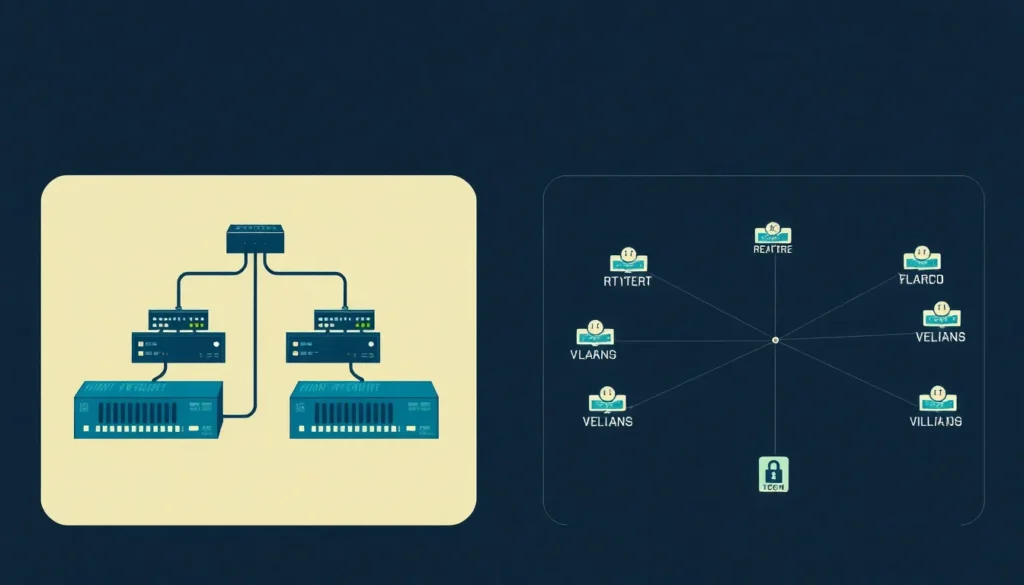
Network segmentation can be categorized into various types, each serving distinct purposes in enhancing security and performance.
Physical Segmentation
Physical segmentation involves creating separate physical networks. In this method, distinct hardware devices link to individual networks. An organization may deploy separate switches and routers, isolating systems for better security and performance. Reducing the risk of unauthorized access becomes more achievable through this segmentation. Each segment operates independently, ensuring that a failure or breach in one does not impact the others. This approach often requires significant investment in infrastructure but enhances overall network reliability.
Logical Segmentation
Logical segmentation uses software to create virtual separations within a single physical network. With tools like VLANs, organizations can group devices regardless of their physical location. This method allows for fine-tuning security policies tailored to specific user groups and applications. Enhancing usability and flexibility occurs as devices communicate effectively within their logical segments. Organizations benefit from reduced costs, as they don’t need extensive hardware overhauls for implementation. Automation facilitates easier management, ensuring optimal traffic control and security measures across the network.
Benefits of Network Segmentation
Network segmentation offers multiple advantages that enhance both security and performance within an organization’s IT infrastructure. Effective segmentation fosters a robust defense framework by isolating critical assets and reducing the attack surface.
Enhanced Security
Enhanced security stands as a primary benefit of network segmentation. By isolating segments, security policies can be tailored for specific groups, limiting unauthorized access to sensitive data. When one segment faces a breach, the attack cannot easily spread to others, thereby protecting vital systems. Segregated environments facilitate better monitoring, allowing teams to identify and address anomalies swiftly. Organizations following this practice often comply with regulations like GDPR and HIPAA more efficiently, as it restricts unnecessary data access. Ultimately, segmentation helps build a resilient defense, improving overall protection against cyber threats.
Improved Performance
Improved performance emerges as another key advantage of network segmentation. Each segment operates independently, reducing congestion and enhancing the speed of data processing. Traffic management becomes more efficient, as specific segments can prioritize critical applications over less important ones. This optimization leads to reduced latency and faster response times, benefiting overall productivity. Teams gain the flexibility to scale and adapt infrastructure without impacting the entire network, promoting a more dynamic environment. Organizations frequently report increased reliability, as performance bottlenecks often diminish when utilizing segmentation strategies.
Challenges of Implementing Network Segmentation
Implementing network segmentation presents several challenges that organizations must navigate. These challenges include complexity of design and cost implications.
Complexity of Design
Designing a segmented network involves careful planning and expertise. Network administrators must analyze existing infrastructure and determine optimal segment configurations. Each segment requires distinct security policies and controls, adding further complexity. Additionally, ensuring seamless communication between segments complicates the design process. It’s vital to address potential issues like traffic bottlenecks or latency while maintaining data integrity. Organizations often need specialized skills or training to manage this complexity effectively. A well-thought-out design minimizes future complications and supports long-term scalability.
Cost Implications
Cost implications can significantly impact the decision to implement network segmentation. Financial investments are necessary for both physical and logical segmentation methods. Physical segmentation may entail purchasing additional hardware, firewalls, or dedicated devices, leading to higher upfront costs. Logical segmentation, while potentially less expensive, may still incur costs related to software solutions or system upgrades. Maintenance and ongoing management expenses also contribute to the overall budget. Organizations must weigh these costs against the long-term benefits of enhanced security and performance. Strategic budgeting can help align segmentation efforts with organizational goals.
Best Practices for Network Segmentation
Effective network segmentation practices enhance security and performance while maintaining compliance. Organizations should consider various factors when implementing segmentation strategies.
Assessing Network Needs
Identifying specific requirements for network segmentation is crucial. Understanding the types of data processed aids in determining necessary segmentation levels. Evaluating device types helps prioritize segments based on function or sensitivity. Assessing user behavior allows for tailored access controls that prevent unauthorized data exposure. Conducting a thorough risk assessment can highlight potential threats, ensuring that segmentation adequately mitigates vulnerabilities. Organizations that take these steps can determine which segments require the highest levels of security.
Choosing the Right Tools
Selecting appropriate tools for network segmentation plays an important role in implementation. Using firewalls provides a layer of protection between segments, allowing for controlled traffic flow. Employing virtual LANs (VLANs) facilitates logical segmentation within existing infrastructure without added hardware. Utilizing intrusion detection systems (IDS) enhances the ability to monitor segment activity, identifying threats early. Organizations should also consider management software that streamlines segmentation processes, ensuring consistent security policies to all segments. By leveraging the right tools, organizations improve their security posture while optimizing performance across the network.
Embracing network segmentation is a strategic move for organizations aiming to bolster their cybersecurity defenses. By isolating network segments, they can effectively contain potential threats and enhance performance. This approach not only mitigates risks associated with cyber attacks but also supports compliance with regulatory requirements.
While implementing segmentation may present challenges, the long-term benefits far outweigh the initial complexities and costs. Organizations that prioritize this practice often find themselves better equipped to respond to incidents swiftly and efficiently. Ultimately, network segmentation stands as a vital component in the ongoing effort to secure IT infrastructures and optimize operational effectiveness.