
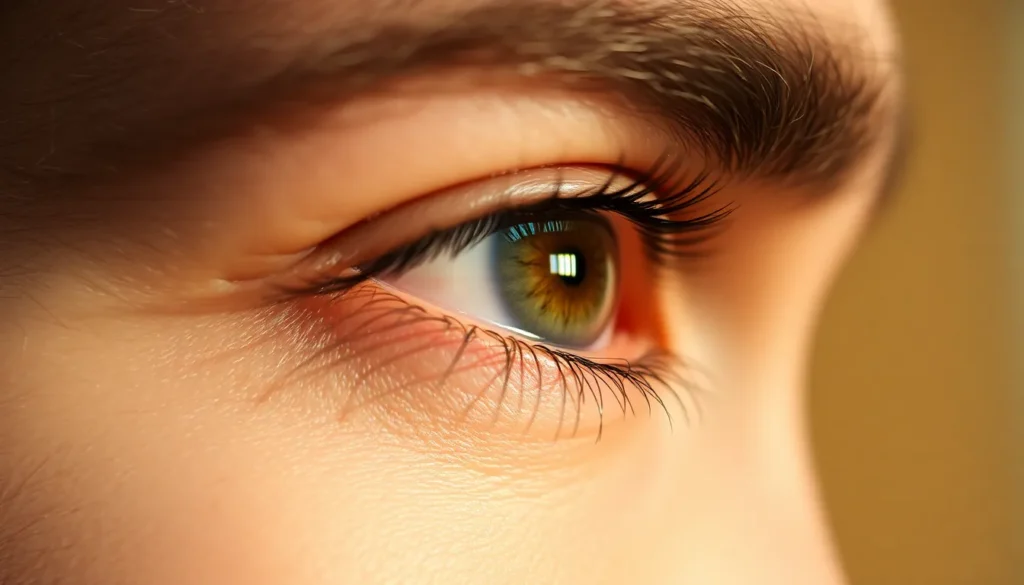
Ever caught yourself wondering why you can hear yourself blink? It’s a quirky little phenomenon that might leave you scratching your head. While it sounds like something straight out of a sci-fi movie, the truth is both fascinating and a tad humorous.
Imagine this: every time you blink, your body throws a tiny party, and your ears are the uninvited guests who can’t help but eavesdrop. It’s all about the sound vibrations created by the movement of your eyelids and the tiny muscles at play. So, the next time you hear that soft “whoosh,” just remember, your ears are in on the action too! Understanding this oddity not only satisfies curiosity but also sheds light on the intricate relationship between our senses.
Understanding Auditory Perception
Hearing oneself blink involves unique auditory perception processes. Vibrations from eyelid movements produce sound, drawing attention to the intricate workings of bodily functions. The auditory system perceives these vibrations, leading to the perception of sound that might not typically register.
When the eyelids close, tiny muscles contract, generating subtle noises. Sound waves travel through the air and reach the ears, initiating the auditory response. It’s fascinating how this bodily function can create a moment of awareness, highlighting the interconnectedness of senses.
Although perceived sounds may seem trivial, they offer insight into sensory relationships. Complex interactions occur between the visual and auditory systems, showcasing how the brain processes multimodal stimuli. Each sense contributes to a holistic understanding of surroundings, enhancing personal experiences.
Specific studies indicate that many individuals encounter similar sensations, underlining the commonality of this phenomenon. This shared experience suggests that the body’s mechanisms provide more than just basic functions; they create moments of curiosity and surprise. The interplay of sensory data illustrates how human perception forms a cohesive view of reality, often dwarfing the significance of minute occurrences.
Further exploration into auditory perception reveals the brain’s remarkable capability to distinguish between vital and inconsequential sounds. Engaging with these sensory experiences enriches personal understanding of how humans interpret their environment.
The Mechanics of Sound
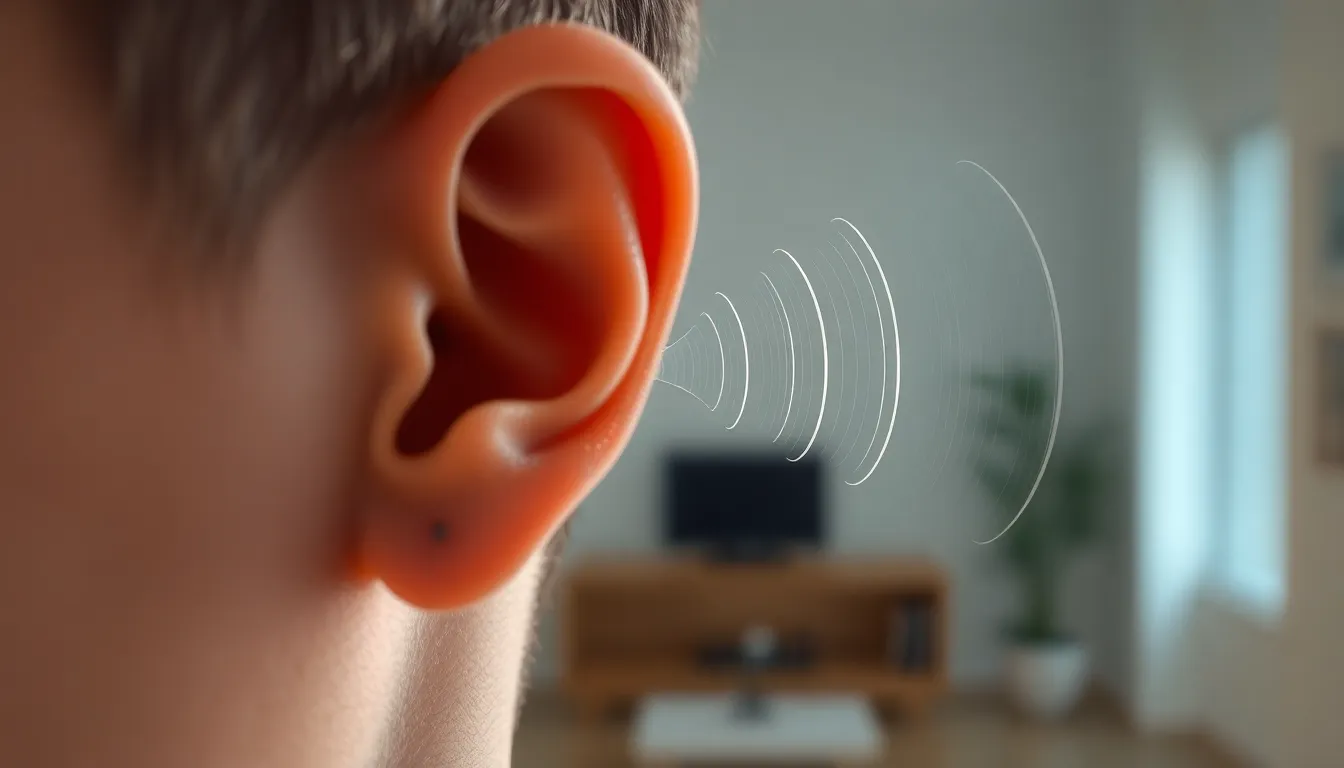
Understanding sound mechanics helps clarify how one can hear themselves blink. This phenomenon illustrates a fascinating interplay between bodily functions and auditory perception.
How Sound Waves Work
Sound waves travel as vibrations, moving through air and other mediums. When an eyelid blinks, it generates subtle vibrations. These vibrations mix with the ambient environment, creating sound waves. Those sound waves reach the ears, leading to the perception of the blinking sound. The unique frequency of these tiny movements contributes to auditory experiences. People often describe this blinking sound as soft and brief, further emphasizing the delicate nature of the vibration process.
The Role of the Middle Ear
The middle ear plays a crucial role in sound perception. It contains three tiny bones known as ossicles. When sound waves enter the ear, these bones amplify vibrations. They connect the eardrum to the inner ear, transmitting the sound effectively. Hearing oneself blink involves this amplification process, ensuring subtle sounds are detectable. The middle ear adjusts for differences in vibration intensity, which allows the brain to interpret sounds accurately. Overall, the structure of the middle ear contributes significantly to the experience of hearing minor sounds.
The Phenomenon of Hearing Yourself Blink
Hearing oneself blink involves intriguing physiological processes. This sensation stems from the vibrations created when eyelids close and the surrounding muscles contract.
What Causes This Sensation?
Various factors contribute to this unique experience. Eyelid movements generate soft sounds as they come into contact, producing vibrations. Ambient noise plays a role too, mixing with these subtle sounds. The brain’s auditory system picks up this combination, revealing the interconnectedness of hearing and bodily movements. Individuals often perceive these sounds differently, depending on their attentiveness and the surrounding environment.
The Science Behind the Sound
Understanding the mechanics of sound provides insight into this phenomenon. Blinking creates tiny vibrations that travel through the air, forming sound waves. These waves are generally soft, yet noticeable enough for the ear to detect. The middle ear amplifies these vibrations through the ossicles, tiny bones that help translate subtle sounds. This amplification process enables accurate interpretation, showcasing how the auditory system interacts with routine actions like blinking and its role in daily sensory experiences.
Implications for Hearing Health
Hearing oneself blink offers unique insights into hearing health. While this phenomenon is generally harmless, awareness of specific symptoms can indicate potential issues.
When to Be Concerned
Experiencing consistent or loud sounds while blinking may raise concerns. Individuals should pay attention if these sounds become bothersome or increase in intensity. Sudden changes in hearing or new auditory sensations might signal underlying conditions. Additionally, if accompanied by discomfort or pain in the ears, seeking further evaluation becomes essential. Some people might notice muffled sounds or changes in hearing clarity alongside the blinking phenomenon, warranting attention. Noticing other symptoms like dizziness or ear fullness also prompts concern. Observing and documenting these experiences helps when discussing them with a healthcare professional.
Consultation with Professionals
Consulting professionals can provide clarity and expert advice. Hearing specialists or audiologists possess the skills to assess hearing health effectively. These professionals evaluate auditory processing and examine any unusual symptoms. An appointment often involves tests to rule out concerns related to eustachian tube function or inner ear issues. Sharing experiences, such as frequency and context of the sounds, assists specialists in understanding individual cases. Additionally, these experts can suggest appropriate next steps based on the findings. Engaging in proactive discussions ensures individuals remain informed and proactive about their auditory well-being.
Hearing oneself blink is a fascinating reminder of the body’s intricate systems at work. This quirky phenomenon not only showcases the relationship between auditory and visual senses but also highlights how even the smallest actions can produce unique sensory experiences.
For most people this is a harmless curiosity that adds a touch of humor to daily life. However if someone notices unusual sounds or discomfort while blinking it’s wise to consult a hearing specialist. Staying informed about one’s auditory health ensures a better understanding of how the body communicates and interacts with the environment. Embracing these small wonders can lead to a deeper appreciation of the complexities within us.